Eco-Friendly Photography: Green Gear for the Conscious Shutterbug
In a world where sustainability is more than just a buzzword, photographers are finding innovative ways to align their passion with eco-friendly practices. Whether you are a seasoned professional or an amateur capturing memories, choosing environmentally conscious equipment can make a difference.
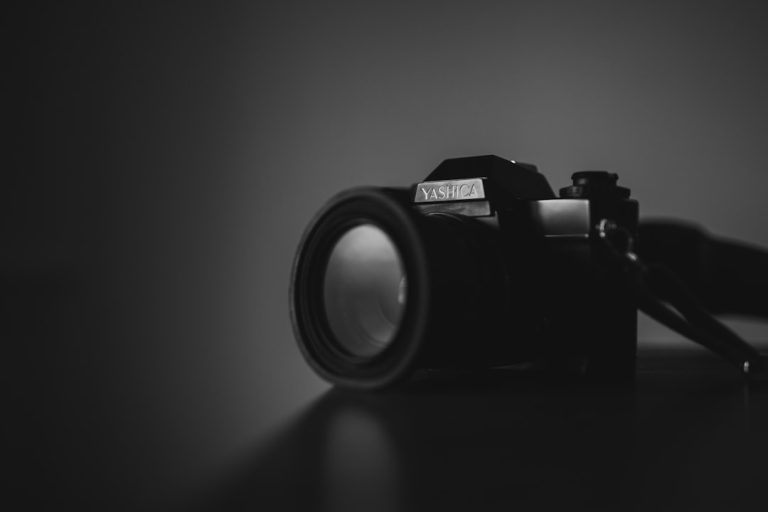
Let’s start with the basics: cameras. Digital cameras, while ubiquitous, can have a significant environmental footprint. The manufacturing process of electronics is resource-intensive, but brands are beginning to recognize their role in promoting sustainability. Some companies now offer recycling programs, where you can trade in your old camera for a new model. These programs ensure that parts are reused and recycled properly, reducing electronic waste.
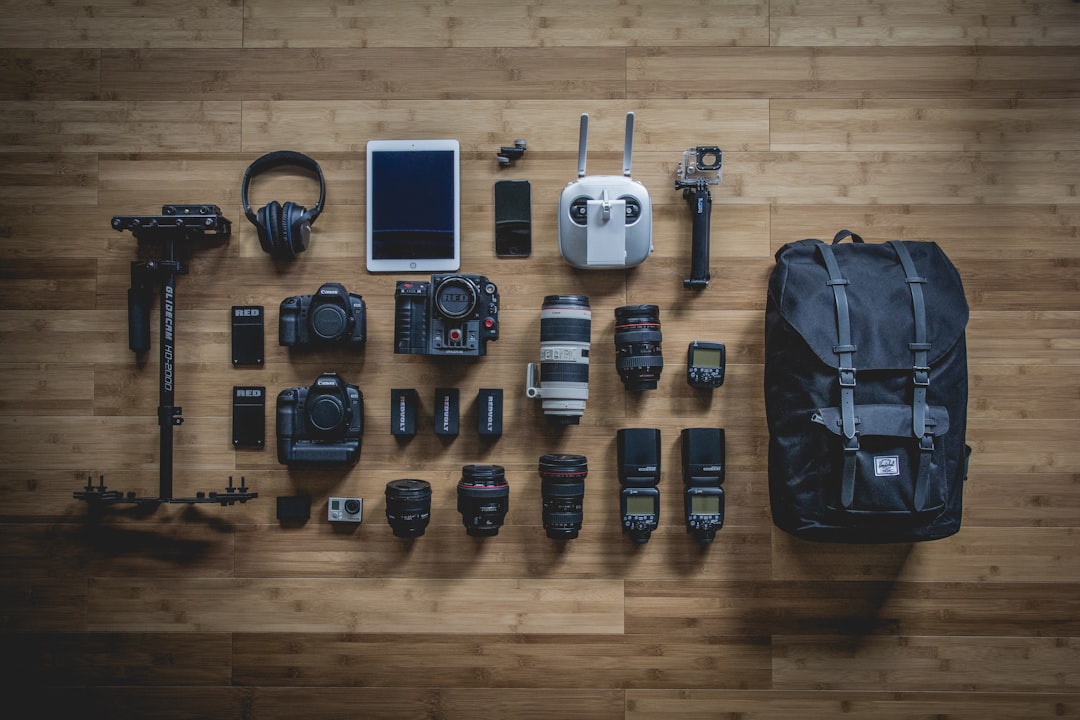
Lenses are another area where eco-conscious choices can be made. While the technology hasn’t yet caught up to provide completely sustainable lenses, investing in high-quality, durable lenses means you buy less over time, minimizing waste. Consider lenses with fewer plastic components or those produced by manufacturers with strong environmental policies.
Next, let’s talk about lighting. Natural light is the most sustainable option, but it’s not always feasible, especially for indoor or studio photography. When artificial light is necessary, LED lights are the best choice. They consume less energy and last longer than traditional bulbs, making them both a cost-effective and eco-friendly option. Many photographers have started using rechargeable batteries to power their gear, reducing the number of single-use batteries that end up in landfills.
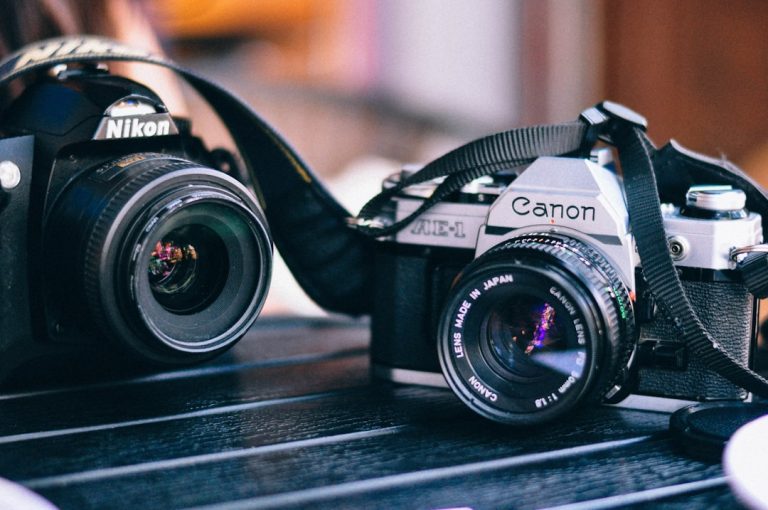
Tripods, often made from materials like aluminum or plastic, can also be sourced sustainably. Look for brands that use recycled materials or are known for their ethical production practices. Better yet, consider purchasing second-hand gear. The second-hand market for photography equipment is thriving, and buying used gear is an excellent way to reduce your carbon footprint.
Now, let’s explore the idea of DIY solutions. Crafty photographers are finding ways to create their own equipment from sustainable materials. For example, reflectors can be made using cardboard and aluminum foil. These DIY solutions not only save money but also reduce the demand for new materials.
In the realm of post-production, digital storage can have a surprisingly high environmental impact. Data centers consume vast amounts of energy. Opt for cloud storage services that are powered by renewable energy or invest in external hard drives from companies that prioritize sustainability.
Ultimately, adopting eco-friendly practices in photography requires a shift in mindset. It’s about being mindful of your purchases, choosing quality over quantity, and considering the lifecycle of the products you use. By making small, thoughtful changes, photographers can contribute to a more sustainable future, all while capturing the beauty of the world around them.
As we continue to embrace eco-friendly photography, it’s essential to share our knowledge and experiences with others. By educating fellow photographers and clients, we can inspire a larger community to prioritize sustainability in their artistic pursuits. Together, we can ensure that our love for photography does not come at the expense of the planet.